
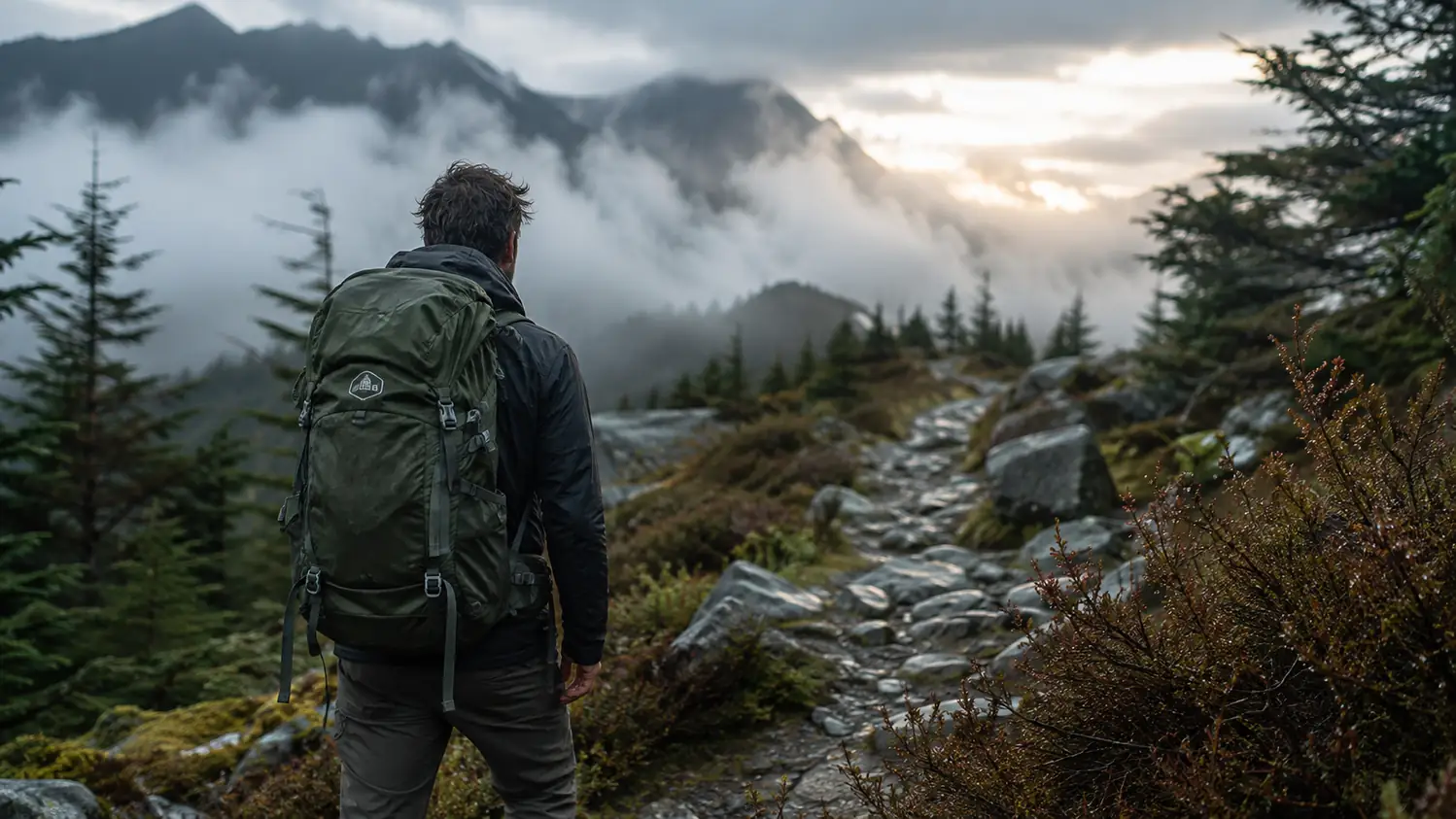
There is a specific kind of failure that sends a person hunting for a new backpack. It is not the dramatic blown zipper or the torn strap, though those happen. It is the third mile of the second hour, when the shoulder straps have started to chew into your collarbone and the load has settled wrong, so the whole pack leans back and pulls at your hips. You stop, re-tighten, re-settle, and it is better for twenty minutes, and then it is not. That is what my old heavy 55 liter pack did to me on every single Cascade weekend, until I got tired of spending the prettiest hours of the day fighting my own gear. Which is why, on a wet October, I ordered a Loowoko 50L and decided to give it a real season to prove itself.
I want to be upfront about what made me pick it, because it is the same thing that likely brought you here. The Loowoko does not carry a famous name and it costs a fraction of what the big brands want for a 50 liter pack with a frame. That makes most people assume it is a gamble, and I was skeptical too. Two years later, after somewhere in the neighborhood of sixty nights out across the Cascades and the rain shadow, through a cold shoulder-season fall and a soggy spring at the snow line, I can tell you exactly where this pack earns its price and where it is merely okay. I get asked about it constantly on the trail, usually by people who recognize the value but not the brand.
The Quick Verdict
A genuinely comfortable, well-built 50L pack for the price, with a load that stayed cinched and a rain cover that survived real weather, even if the build is not expedition grade.
Amazon Check Today's Price →Stop fighting a pack that does not sit right. See the current price.
The Loowoko 50L is the pack I reach for on every weekend out because the load finally stops moving. Check today's price on Amazon and see the current color run.
Amazon Check Today's Price on Amazon →How I've Used It
I did not buy this pack to review it in a clean living room. I live in northwest Washington and my weekends are built around getting into the Cascades, usually with a forecast that is only lukewarm. So the Loowoko got carried hard rather than admired. Cold dry trips in the rain shadow where it sat under a full load of winter layers, late-spring trips at the snow line with postholing and wet rope coiled on top, fishing overnights on the Olympic side where it rode in and out of the truck bed and then sat out in the rain for two straight days. It has been rained on hard, dropped on talus, sat on beside a fire, and shoved under truck seats in a hurry when the sky opened.
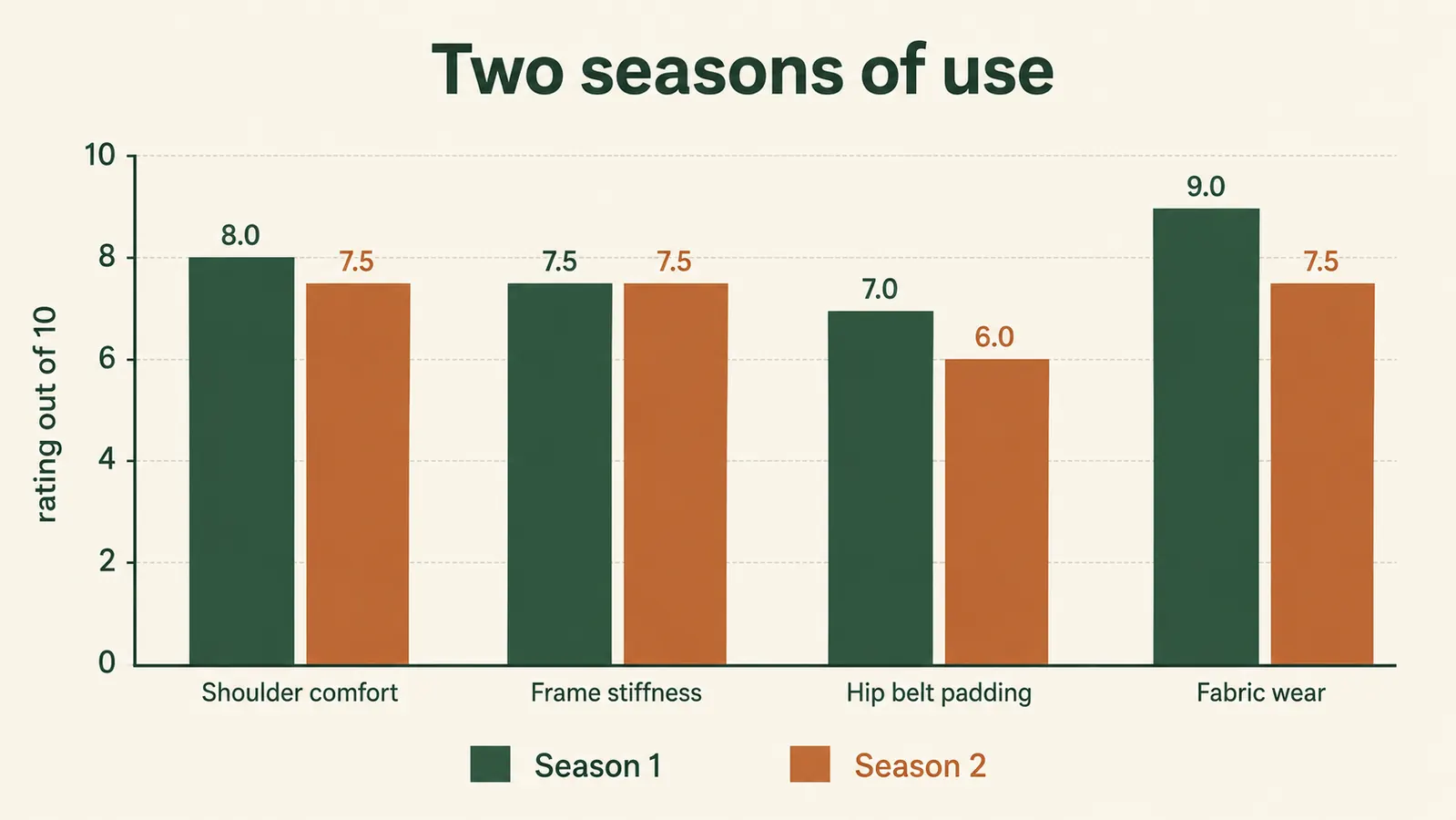
My method is unglamorous. I keep a running note in my phone after every trip and I write down the three things that annoyed me and the two that worked. Did the load shift on the descent, is the hip belt comfortable at the third hour, did anything inside get wet at the end of a rainy day. No lab, no compression sled, just a notepad and a lot of soaked weekends. Across two seasons the load stayed put, nothing inside got wet that should not have, and the zippers kept working. That is the whole test that matters for a weekend pack, and it passed. What follows is that note log, turned into something useful.
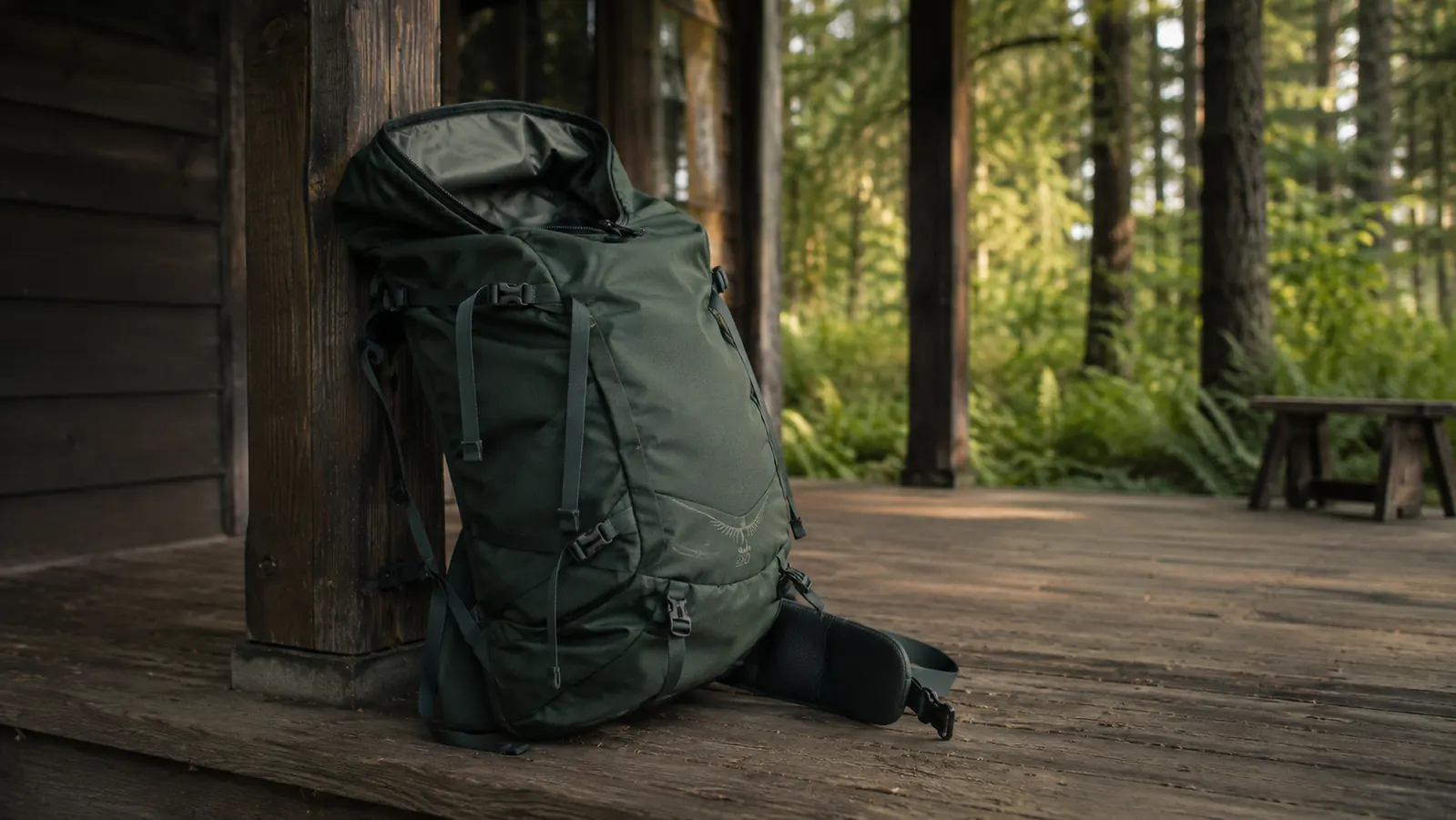
The Loowoko is speced at 45 plus 5 liters, which in practice means a roomy 50 that swallows a weekend kit without a struggle. It comes with the fitted rain cover you see in the photos, a waist belt that cinches hard into your hips, and a frame sheet that gives the whole thing real structure instead of a floppy sack. The advertised load rating is right around forty pounds. I have honestly overloaded it closer to forty-five a few times, on trips where I packed like I might regret it, and it took the abuse without the frame folding or the straps letting go.
The Frame and Harness Do the Real Work
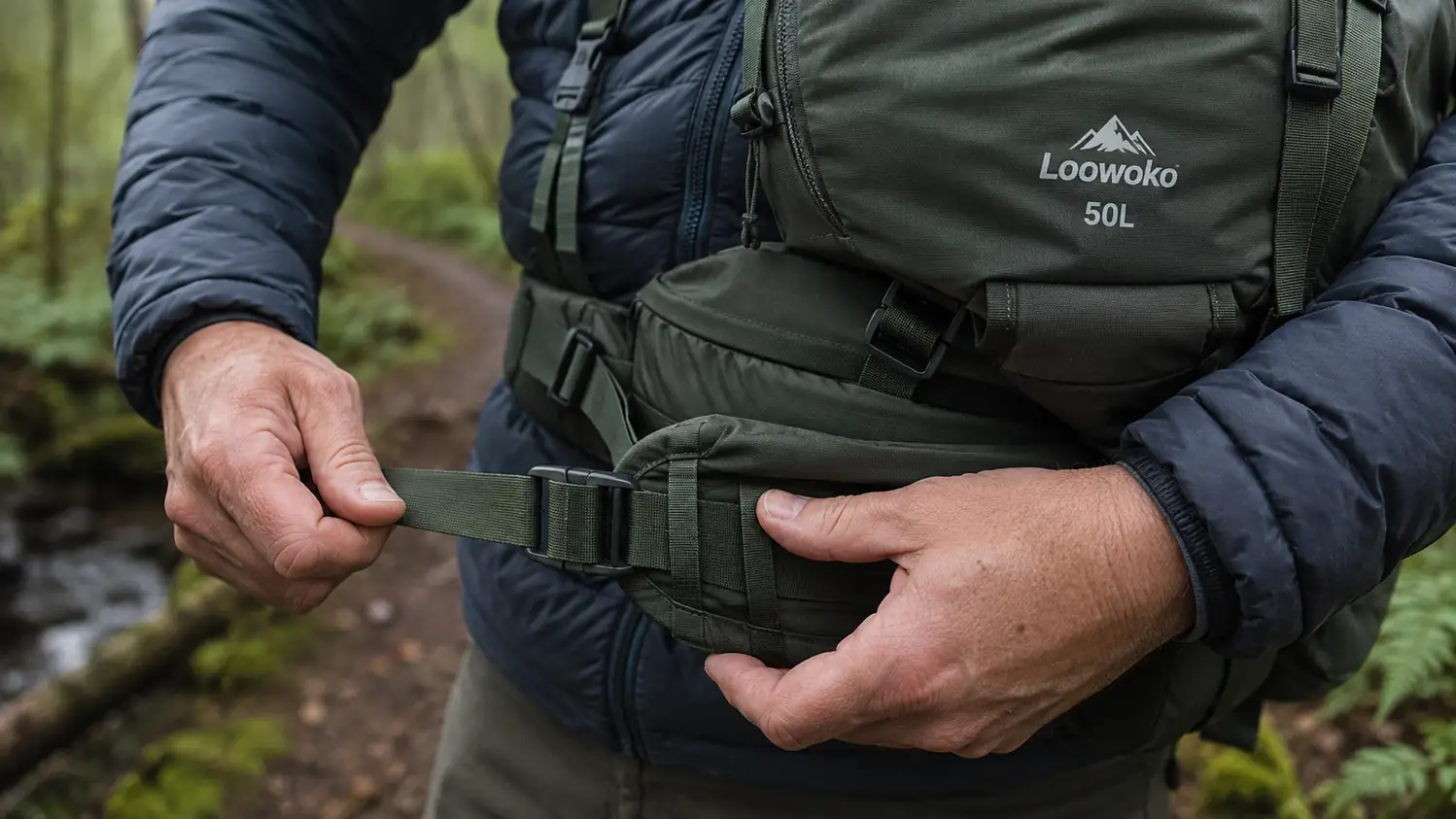
This is the heart of any backpack, and the exact place cheap packs fall apart. A frame that is nothing but a slab of flat foam bites into your back and dumps the whole load onto your shoulders, which is how you end up with that collarbone ache by lunch. The Loowoko instead uses a rigid frame sheet mated to a properly padded hip belt, and that one decision makes all the difference in the world. On the flat and on the uphill the weight rides on my hips the way it is supposed to, and my shoulders mostly just steer instead of carrying. That is a night-and-day difference from my old pack.
The hip belt is the piece I did not expect to like as much as I do. It is wide enough to actually transfer load across the iliac crest instead of pinching a single spot, and it cinches down tight so the whole pack moves with you rather than swinging. The pocket on the belt is a genuinely usable size, big enough for a phone, a chapstick, and a snack bar, which means I rarely have to take the pack off to reach something in the middle of a climb. The sternum strap slides to whatever height I need and the strap elastic keeps it from flapping across my chest.
The shoulder straps are dense, contoured foam rather than the cheap stuffed pancake you get at the bottom of the market. Even with the pack at thirty-five pounds for a long day I have not had the collarbone grind that made my old pack miserable. I will be honest about the limit: this is not the suspension of a mega-brand alpine pack that costs three times as much, and on a truly heavy mountaineering load in the mid-forties it will feel its price. But for the twenty-five to thirty-five pound weekend loads most of us actually carry, it is comfortable over a full day, and for me that is the bar that actually decides whether a pack comes on the next trip.
The Layout Works Better Than the Price Suggests
A packed bag is only as good as how you can live out of it, and the Loowoko refuses to punish you for your loading habits. The main compartment opens with a horseshoe-style access from the front rather than a coffin lid from the top, which I prefer for a weekend pack. It means I can unzip the whole front panel and fish out the layer or the food bag I want from the middle of the stack without unpacking everything onto wet ground. That one feature saves more frustration than any spec sheet suggests.
The bottom has its own separate sleeping bag compartment, so the sleeping bag drops in first and stays put instead of sliding around underneath the food. It opens from the side so you can reach the bag without disturbing the main load, which matters on that last cold night when you realize the puffy is trapped under everything. The divider between compartments is adjustable, so on a trip with a huge bag or a small one I can shift the split to match rather than fighting a fixed layout.
Around the outside there is genuinely useful storage rather than decoration. Both hip belt pockets are big enough to be worth wearing gloves while you use them, there is a quick-access top pocket for the map and headlamp and a set of keys, and the side water bottle pockets are deep enough that a bottle does not launch on the descent. On the exterior there is a daisy chain and compression straps that come in handy for lashing a foam pad or a wet tarp when the inside is full and the weather will not wait. Nothing about the pocket layout feels like an afterthought, which is more than I can say for bags that cost twice as much.
The Rain Cover Is the Surprise
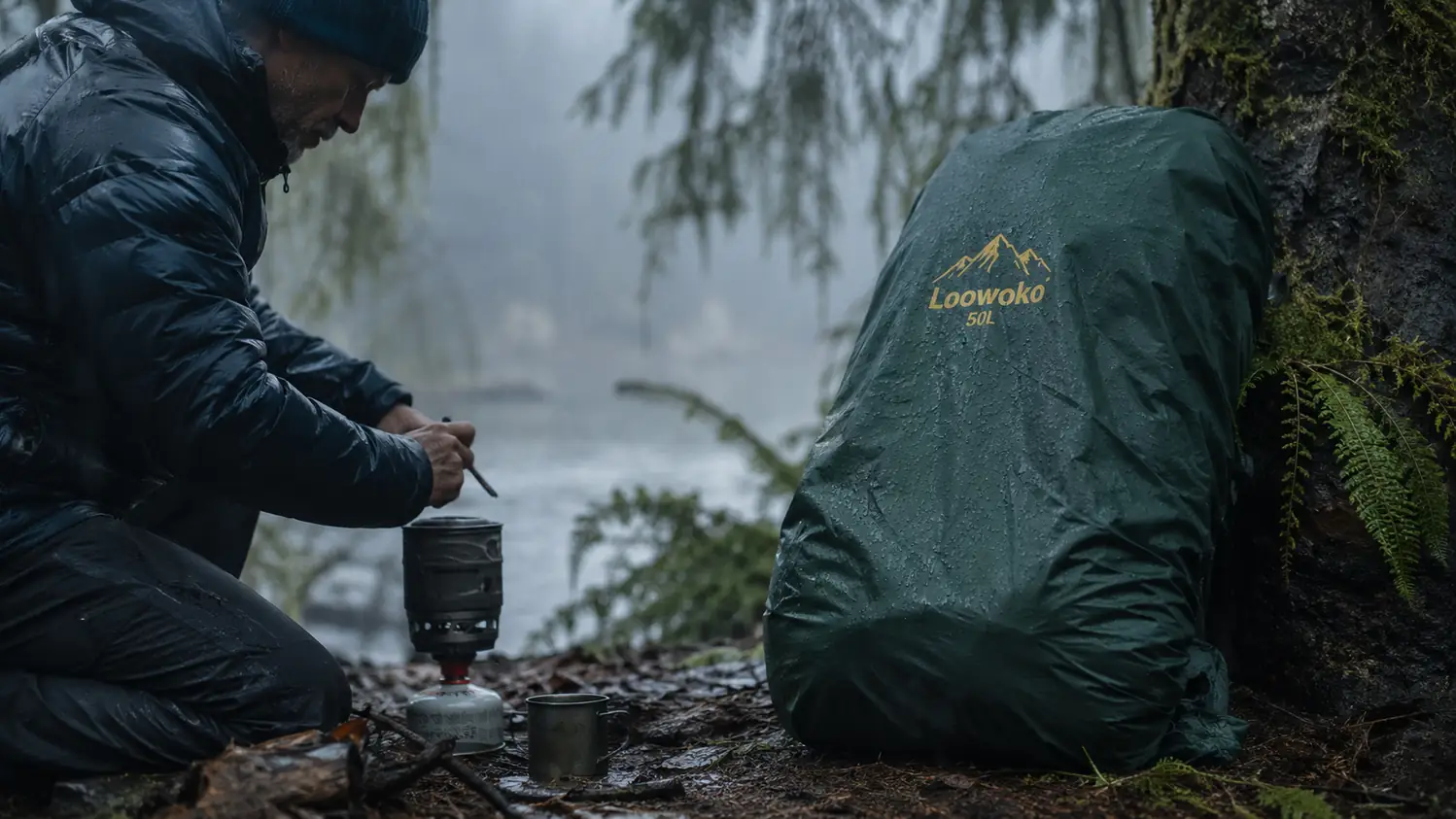
Rain covers on budget packs are usually a flimsy afterthought, a slip of shiny nylon that rips at the grommet the first real gust and then flops uselessly in the wind. I have gone through two of those on older bags, which is exactly why I was ready to shrug at this one. Instead, the Loowoko rain cover turned out to be the single standout feature of the whole pack. It is a proper fitted cover that pulls down over the entire pack, with the elastic hem and the loop arrangement that lets the frame keep its shape instead of collapsing the whole load into a wet collapse.
It does not flap madly in the wind, it does not rip on the first day, and it does not make the pack feel like a slippery bowling ball when it is on. The cover has carried my pack through a two-day soak on the Olympic side where I stopped bothering to move it out of the rain, and everything inside stayed dry, the down sleeping bag included. The pack body itself is not truly waterproof, no woven fabric pack is, which is exactly why the cover exists and why a good one matters so much in a climate that measures its rain in months, not days.
I tested it beyond the cover's comfort zone, too. In a hard sideways storm on an exposed ridge the cover stayed put, and on a rainy night I left the pack leaning against a tree rather than under a tarp and it was dry inside at dawn. When the cover is on in a Pacific Northwest downpour, this stays dry, full stop. That is the single highest-value feature a weekend pack in this climate can have, and it is remarkable that it is the thing the budget pack gets so right.
Where It Is Merely Okay
I promised the honest part, and here it is. The zippers are functional but they are not heavy-duty. None of them has failed on me in two seasons, but they do not feel as smooth or as reassuring as the zippers on a premium pack, and the one on the main compartment has developed a little more drag after a lot of use. I would wet the slide on them if I were going to take this on a long expedition, but for weekend trips they are fine and I have had no drama with them.
The fabric is a solid medium-weight ripstop rather than the featherweight of an ultralight specialty pack, so yours will ride a little heavier empty. That is the tradeoff for the durability, and for weekend trips carried a couple of hours at a stretch you will not notice it on your back or on the scale. This is not a pack for the ounce-counters who want to strip every gram out of their kit, and it is not pretending to be.
The foam back panel is comfortable but it runs warm in summer. On a hot exposed ridgeline I end up with the classic sweaty-back stripe, because there is not much of an airflow channel to speak of. It is a ventilation limitation, not a dealbreaker, and on most of my trips it is cold enough that I am glad of the warmth. And the frame, while it has stayed stiff and true after two seasons, is not the load-transfer wizard of an alpine expedition pack. If you regularly carry forty-five pounds over serious terrain, buy the bigger-name pack with the better suspension and the two hundred dollar difference pays for itself across a decade of use. If you carry a reasonable weekend load, you will not wish you had.
Pros and Cons
What I Liked
- Rain cover actually works and survived two seasons of real storm weather
- Load rides on the hips thanks to a real frame sheet and padded belt
- Front horseshoe access means no unpacking to reach the middle
- Separate sleeping bag compartment keeps the bottom organized
- Big usable hip belt and side pockets
Where It Falls Short
- Zippers are functional but not heavy-duty, main one has drag now
- Foam back panel runs warm on hot summer ridgelines
- Not built for expedition loads above forty-five pounds
- Heavier empty than an ultralight, that is the durability tradeoff
Who This Is For
The Loowoko 50L is for the weekend backpacker who wants one dependable, comfortable pack for overnight and two-night trips and does not want to spend four hundred dollars to get it. If you carry north of twenty-five pounds but south of forty, and your trips are measured in nights rather than weeks, this is a genuinely great fit. It is ideal for the Pacific Northwest generalist who is out every couple of weekends across the seasons, wants the rain cover to actually matter, and prefers a layout they can live out of without unpacking everything to find a layer. For that person it is close to the best value there is.
Who Should Skip It
Give it a pass if you are a serious alpine mountaineer who loads past forty-five pounds on sharp technical routes and wants the suspension of an expedition pack, or if you are an ultralight enthusiast willing to give up the frame and the rain cover to shave weight. And if you are a chronic overpacker, no budget pack fixes that instinct, though the 50 liter size at least keeps you honest about volume. But if you are looking for the best value in a first real 50 liter weekend pack, the Loowoko delivers more than its price point has any right to. Two seasons in, with dozens of nights in the mud and the rain on it, I still grab it before my old pack every time.
Two seasons in, I still reach for it first. See the current price.
One pack that rides right and keeps your gear dry beats a shelf of cheap ones. The Loowoko 50L has earned its place in my truck. Check today's price on Amazon before your next weekend out.
Amazon Check Today's Price on Amazon →